 The High Performance Computing Podcast
Topics including (but not limited to)....


Radio Free HPC (RFHPC) started in 2012 and, after a short break of 193 months, has returned to the airwaves (cyber waves?) with co-hosts Dan Olds, Henry Newman, and Shahin Khan.
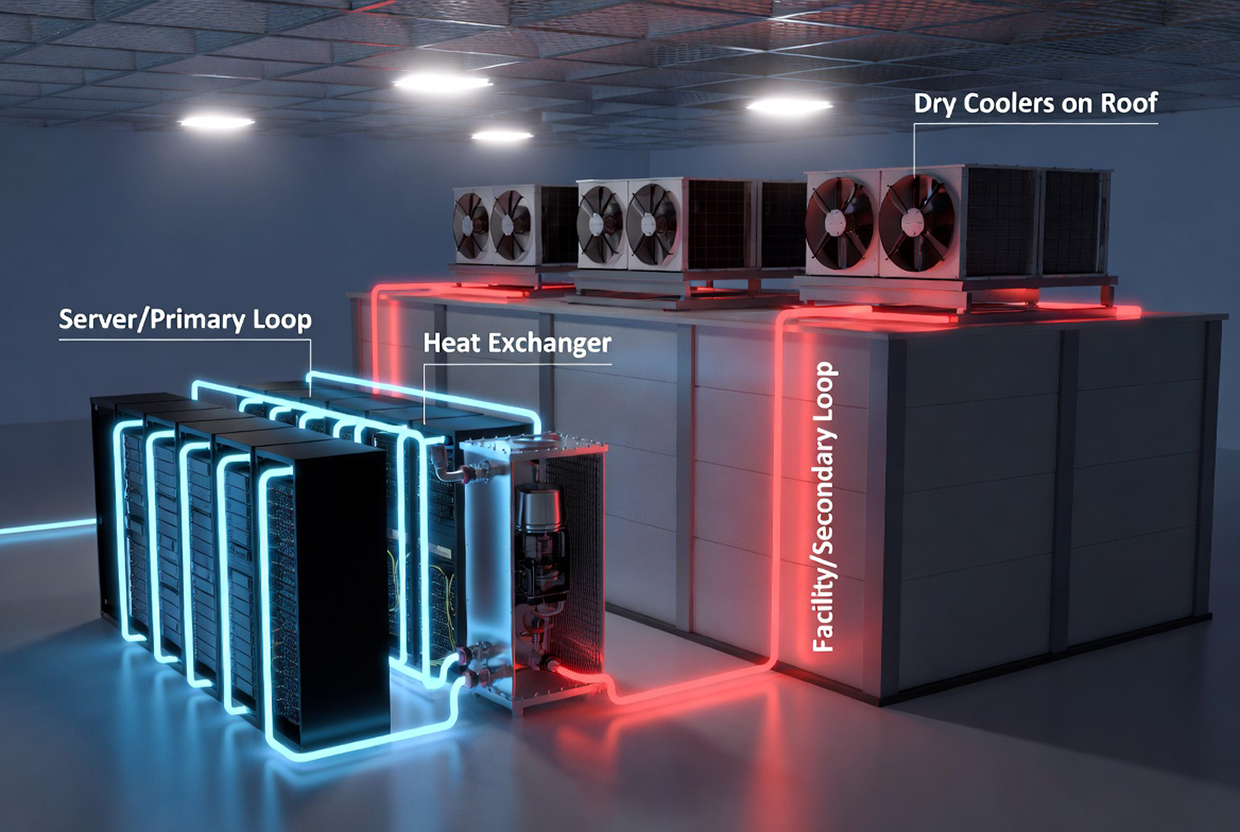
The podcast covers a wide range of topics but is particularly focused on data center technology and challenges. These include high performance computing, power and cooling, new technology, and, really, whatever the hell they want to talk about.
Quick FAQ
"Why are you just covering HPC? There's this new thing called AI, have you heard of it?"
Yeah, we've heard of it and we do cover it. To us, HPC is a broad term used to refer to a very broad group of apps/workloads that have common characteristics.
- They are computationally intense
- Time to solution and quality of solution are critical
- The output is important enough to justify investment in high-end clusters and associated hardware/software
AI meets all of the criteria above just like bioscience, aerospace, weather prediction, and several other domains. In fact, AI is or will soon be folded into the workflows of nearly every 'traditional' HPC and enterprise application over time. This is going to put a lot of pressure on data centers and we'll be talking about how to deal with it.
"Was the old version of Radio Free HPC popular? I've never heard of it..."
Yes, it rose from obscurity to being mildly popular and, at times, entertaining. At our peak, we had as many as 16 sustained listeners and as many as 19 theoretical max listeners.
"I listened to the old show a couple of times and liked the arguing. Will there be more of that in this reboot?"
Yes, in fact we expect as much as 29% more arguing and a significant increase in the number of personal insults per episode.
"How often will this thing come out and how do I find out about it?"
We used to try to do weekly shows but failed due to other commitments, travel, etc. And there were just weeks when nothing important happened. But to answer your question, could be every couple of weeks, could be once a month, or we could record a marathon 8-10 hour single episode. Depends on what's happening and our mood.
We're getting together our RSS feeds and such but in the short term we'll be publicizing the episodes through the RFHPC X account and our individual social media accounts.
Ok, enough questions. If you want to learn more about the show and hosts, check out the "About" page.
Here are our most recent episodes along with the 345 or so previous editions, enjoy!
Latest Episode
-
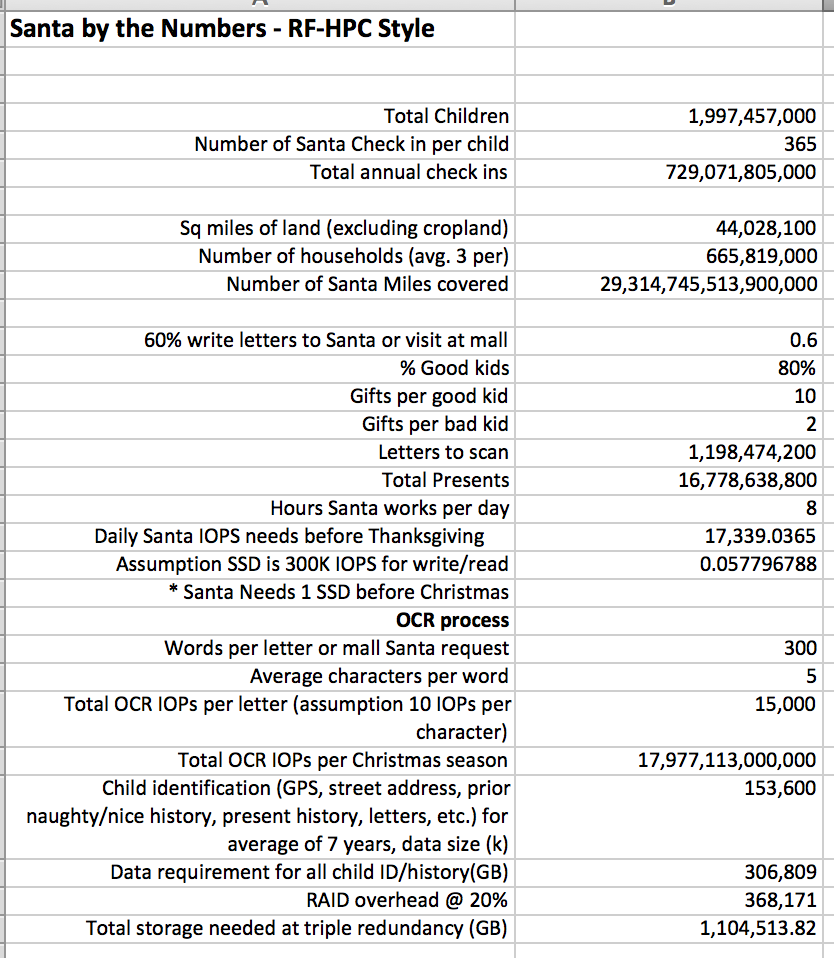
In this podcast video, the Radio Free HPC team looks at the monumental IT challenges that Santa faces each Holiday Season.With nearly 2 billion children to serve, Santa’s operations are an IT challenge on the grandest scale. If the world’s population keeps growing by 83 million people per year, Santa may need to build a hybrid cloud just to keep up. With billions of simultaneous queries, the Big Data analytics required will certainly require an 8-socket numa machines with 4 terabytes of central memory.
Sign up for our insideHPC Newsletter
Download the MP3 * Subscribe on iTunes * RSS Feed
Recent Episodes
-
Episode 401: NOAA Goes Cloudy, Big Time
Episode 401: NOAA Goes Cloudy, Memory Gets Pricey, and Someone Might Have Hooked an Alligator We’re two episodes into the reboot and the band is still back together-Shahin in the…
-
Episode 400: We’ve Re-Booted The Show
After 193 months off the air, Radio Free HPC is back. Dan, Shahin, and Henry return with the same arguments, the same opinions, and a slightly more irregular schedule. Also:…
-
Episode 346: SC22 Preview
We’ve got the whole crew here as we look at the upcoming SC22 event. How many will be there? What will be happening? We answer only some of these questions.…
-
Episode 345: Dow Gets Cloudy
Dan rides alone on this one as he interviews the HPC folks from Dow who are behind their move to cloud bursting. Interesting and informative. *Download the MP3 * Follow…
-
Episode 344: Finally back! And with a new co-host!
We introduce new co-host Ben Carr and talk some NIST and Intel trevails. RadioFreeHPC is distributed in partnership with HPCwire. *Download the MP3 * Follow us on Twitter * Subscribe on Spotify * Subscribe…
-
Episode 343: It’s GTC, Baby
In this episode of RadioFreeHPC, Dan and Jessi talk GTC along with special guest Todd Weiss. RadioFreeHPC is distributed in partnership with HPCwire. *Download the MP3
-
Episode 342: Jazz, Melting Diamonds, and Schrödinger’s Cat
In this episode of RadioFreeHPC, the crew round up the most intriguing batch of recent HPC topics including Graphcore, HPC efforts to better understand melting diamonds and Jazz, as well…
-
Episode 341: Ponte Vecchio
In this episode of RadioFreeHPC, the crew talk Intel’s Ponte Vecchio. RadioFreeHPC is distributed in partnership with HPCwire. *Download the MP3 * Follow us on Twitter * Subscribe on Spotify * Subscribe on…
-
Episode 340: HPC with Trish Damkroger and Brent Gorda
In this episode of RadioFreeHPC, Dan and Jessi are joined by Trish Damkroger and Brent Gorda to talk HPC topics, thoughts, and intriguing trends. RadioFreeHPC is distributed in partnership with HPCwire.…